






When the camera was invented, painting got weird.
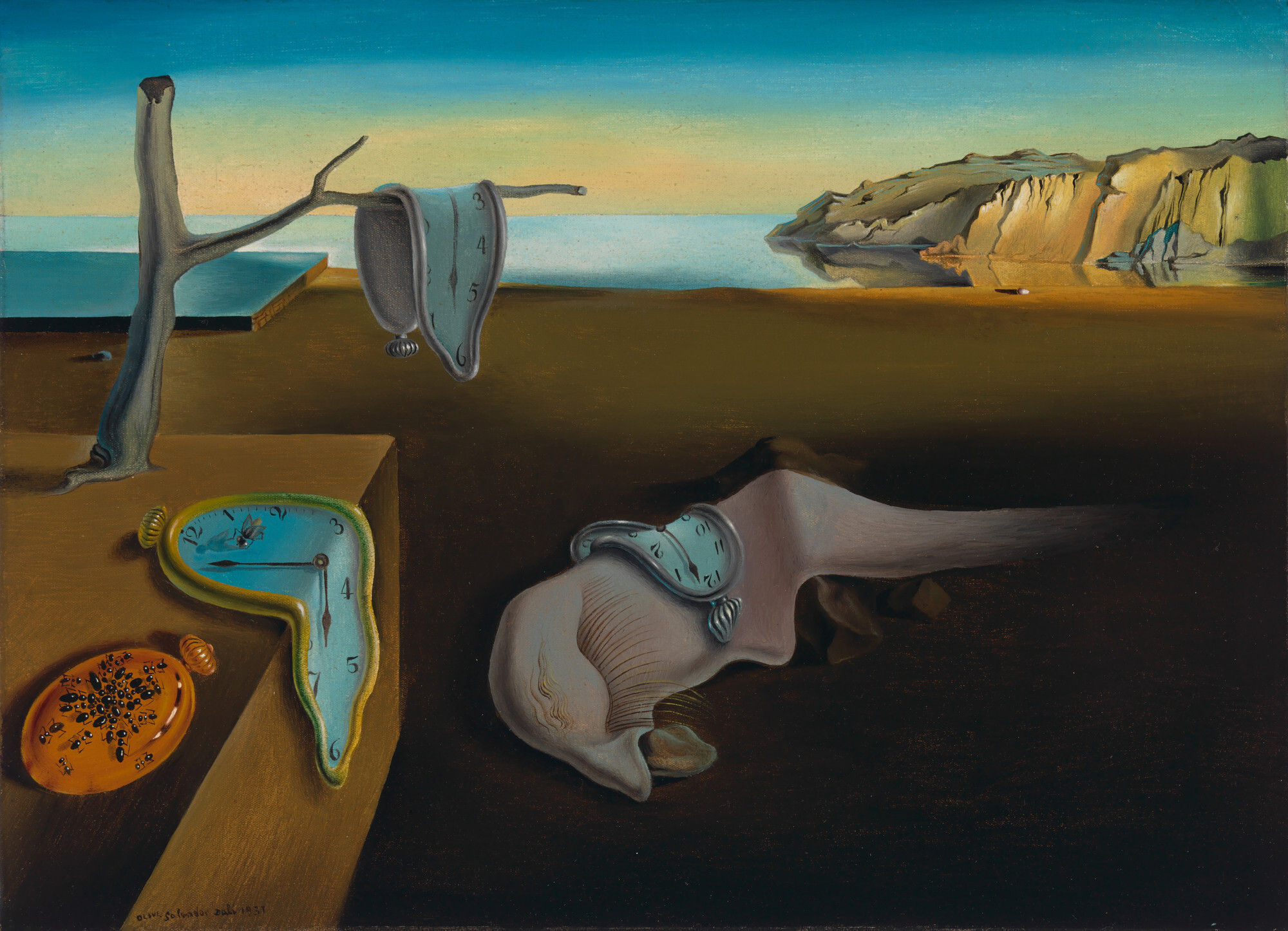
Once a machine could recreate images better than any human hand, the value of painting shifted from re-creation to new and unique interpretation, pushing painting into realms the camera couldn’t touch. Dalí melted the clocks. Monet dissolved the scene into light. Picasso captured the human image in ways and angles no lens could capture. An entire generation of artists became more specific, unique and innovative. They pushed past technology’s accuracy and discovered ways of seeing that were distinctly and irresistibly human.
Over two centuries later, we’re seeing the same phenomenon in advertising, and more specifically, in strategy. Where the camera produces a tangible duplication of reality, large language models produce an average of ideas—the output is the mean of everything good, bad, boring and brilliant in the training data.* As a consequence, millions of content pieces can be created in seconds. So as the industry focuses on a near-brutalist level of efficiency, it makes sense that some see less value in truly creative work.
But at VSA, we’re seeing things from a different perspective. As LLMs make meeting the average more accessible and acceptable, the outliers and deeply human insights in the creative work matter more than ever before. Brand purpose, therefore, has no business being relegated to afterthought status; it’s a critical pillar and lever for any brand’s success.
Some of the best brand purposes live where they can only be felt and identified by people. Cultural tensions, value shifts, consumer truths and business problems both foster and reveal distinct brand purpose. Betty Crocker’s “Add an Egg,” Old Spice’s “The Man Your Man Could Smell Like” and Liquid Death’s irreverence were all born from a distinct, relevant and human perspective. The uniquely human ability to find the “weird” and react with empathy is what keeps brands thriving in the AI era.
Brand purpose is the specific, defensible reason a business exists beyond making money. It's the belief and ambition that shapes what it makes, how it shows up, and who it’s for. It belongs at the center of strategy, not at the end of a messaging exercise. Done right, it’s the filter that separates ideas that are ownable and unique from ideas any competitor with the same budget could run.
As AI makes average creative work universally accessible, the distinction between generic positioning and genuine brand purpose becomes impossible to ignore.
LLMs are tools, not solutions. When used by talented strategists who know how to use them well, they can be a launchpad for exceptional insights that define and drive a brand’s purpose.
Meaningful brand purpose is discovered through researching, understanding and even experiencing the tensions, behaviors and realities that many competitors overlook in favor of fast content. Too many brands treat purpose as a wordsmithing puzzle, easily solved with a prompt, when it is in fact the very thing that drives the brand’s success.
A great brand purpose doesn’t just clearly define what problem the brand solves for the consumer; it should also be distinct and ownable, and something competitors can’t copy.
At VSA, brand purpose isn’t a plaque in the lobby or a component of a brand framework. It’s a key lever in our Promise to Performance® methodology. It’s how brand goals and business objectives come together. The primary goal of most businesses is to make a profit, while the primary goal of most brands is to be recognized and trusted by potential consumers.
But brand purpose is different. Brand purpose is how both a company and a brand distinguish themselves in increasingly oversaturated markets. Brand purpose makes it “weird” in the best way possible, empowering customers with solutions and business-sustained results. VSA’s Promise to Performance methodology means a brand purpose is only fulfilled if you can point to the number and people it moved.
On paper, YWCA Chicago is best known as an advocacy organization for women. In the summer of 2020, in the shadow of George Floyd’s murder and the rise of the Black Lives Matter movement, leaning on that fact to market the organization would have put YWCA in a sea of well-intentioned statements no one would remember by fall. The insight VSA found instead was hiding in plain sight: YWCA had been on the frontlines helping fight racial injustice for well over a century. At a time when every brand and institution in the country seized on racial justice as a virtue-signaling marketing tool, YWCA had already spent 100 years fighting for it. YWCA acted, while most companies reacted.
That kind of reframing changes how YWCA is understood, which changes how audiences and corporate partners show up, which ultimately changes what the mission can move. And the numbers prove it. VSA Partners’ campaign for YWCA, “Until Justice Just Is,” hit annual fundraising goals six months ahead of schedule, was picked up nationally by YWCA USA within 30 days, and drew a $10 million donation from MacKenzie Scott. That’s the brand purpose outlier at work: same mission, different platform; stronger promise, stronger performance. It’s a piece of work I find inspiring; you can read more about VSA’s campaign with YWCA Chicago in this interview with our head of creative, Kim Mickenberg.
Earlier in my career, I had the chance to work on the Dave & Buster’s account. It was a brand nearly everyone in America already knew—for the wrong reason. Most people’s association was “somewhere I went as a kid.” But nostalgia is a terrible growth strategy. The sharper truth was hiding in the entertainment complex itself. Between the lights, bells, vibes and the 40-foot screens, Dave & Buster’s appeared to be selling fun. But what entertainment complex isn’t? D&B was actually selling the physical feeling of winning—which, in a moment when everyone felt like a loser (the business was won at the start of COVID)—turned out to be extraordinarily relevant. We landed on a purpose that was tangible, aspirational and relevant: making people feel like winners.
We rebuilt the brand logo, palette, creative and in-store environment around that one emotional outlier. As a result, the brand became more relevant, modern and differentiated, unlocking new high-growth opportunities for the business: new dayparts around sports viewing, new audiences the brand had never reached, increased dwell time and ticket size.
We shifted the brand from known to desired by identifying truths grounded in real customer behavior.
At VSA, we start every purpose engagement with four questions. If we can’t answer them with conviction, we’re not ready to write anything down.
Ask “Why does this brand exist?” Then ask it again … and again. The first why usually gets a category answer any competitor could claim. The second answer is usually where differentiation begins. The third answer is where things start getting good.
Are we accomplishing brand and business goals together? A successful purpose means it moves both brand perception and the business number. Promise to Performance is the discipline of not settling for one at the expense of the other.
What type of research will get me to the deeper work faster? This is where AI earns its seat. Used well, agents and tools compress synthesis time so strategists spend more time in the cultural and human context where the outliers actually live. Used poorly, they hand you back the average with a new coat of paint. The tool is only as good as the talent of the team asking it questions.
Is this meaningful and differentiated? Most purpose statements aren’t actually brand promises, and not every purpose-driven brand earns the term. A purpose statement that could be swapped onto a competitor’s homepage without anyone noticing is decoration, not purpose. Customers can tell the difference, and increasingly, so can AI search and answer engines.
The only purpose that matters is one competitors can’t claim and performance can prove.
Already voicing their displeasure, over the next two years we’ll see audiences become even more resistant to the “AI average.” Competitive advantage won’t come from producing more content. It’ll come from finding truths no model can generate and turning them into measurable business performance.
The camera forced painting to discover what only humans could do. The same thing is happening now, but on an even bigger canvas. Our services help brands find the truth competitors can’t copy, build the business around it and measure whether it moved the number. If the purpose on your wall isn’t doing the work you need it to, let’s talk.
*The em dash in this sentence and throughout this piece were selected and written by a human.